الخلاصة السريعة: في عام 2026، تتراوح تكلفة تطوير تطبيق جوال احترافي في قطر عادةً بين 55,000–110,000 ر.ق للتطبيق البسيط متعدد المنصات (90,000–180,000 ر.ق إذا طُوِّر بشكل أصلي)، 120,000–250,000 ر.ق للتطبيق متوسط التعقيد متعدد المنصات (180,000–400,000 ر.ق للأصلي)، و 280,000 ر.ق أو أكثر للمنصات المعقدة ذات الميزات الفورية أو الذكاء الاصطناعي أو إنترنت الأشياء. يقلّ التطوير متعدد المنصات عادةً بنسبة 30–40% عن التطوير الأصلي لأن قاعدة برمجية واحدة تخدم iOS وAndroid معًا. أضِف 15–20% من تكلفة البناء سنويًا للصيانة.
الاختيار بين التطوير الأصلي (Native) والتطوير متعدد المنصات (Cross-Platform) هو عادةً أول قرار تتخذه أي شركة عند التخطيط لتطبيق جوال، وهو أيضاً أكثر القرارات تأثيراً في التكلفة. وفي قطر، حيث تتوقع الشركات بشكل متزايد تطبيقات بالعربية والإنجليزية، مرتبطة بخدمات الدفع والتوصيل المحلية، لا يؤثر هذا الاختيار في تكلفة البناء الأولية فحسب، بل في سنوات من الصيانة اللاحقة. يوضح هذا الدليل التكلفة الحقيقية لكل مقاربة، ومتى يتفوّق كل خيار على الآخر، وما الذي ينبغي الحذر منه.
ما الفرق بين التطوير الأصلي والتطوير متعدد المنصات؟
التطوير الأصلي يعني بناء تطبيق منفصل لكل منصة: لغة Swift لنظام iOS ولغة Kotlin لنظام Android. يُكتب كل تطبيق باللغة التي صُمّمت لها المنصة نفسها، مع وصول كامل إلى خصائص الجهاز وأفضل أداء ممكن.
التطوير متعدد المنصات يعني كتابة قاعدة برمجية واحدة تعمل على iOS وAndroid معاً، باستخدام أُطر عمل مثل Flutter أو React Native. تبني التطبيق مرة واحدة، ثم يُترجم برمجياً ليعمل على المنصتين.
كم تبلغ تكلفة تطوير التطبيقات في قطر؟
يُقدَّر نطاق كل مشروع على حدة، لكن هذه نطاقات استرشادية للتطبيقات المبنية باحترافية في السوق القطري.
| مستوى تعقيد التطبيق | أصلي (iOS + Android) | متعدد المنصات (قاعدة برمجية واحدة) | المدة الزمنية المعتادة |
|---|---|---|---|
| تطبيق بسيط (نموذج أولي، خصائص أساسية، لغة واحدة) | 90,000–180,000 ر.ق | 55,000–110,000 ر.ق | 2–3 أشهر |
| تطبيق متوسط التعقيد (حسابات، مدفوعات، إشعارات، عربي + إنجليزي) | 180,000–400,000 ر.ق | 120,000–250,000 ر.ق | 3–6 أشهر |
| تطبيق معقّد (خصائص فورية، إنترنت الأشياء، ذكاء اصطناعي، منصات متعددة الأدوار) | 400,000+ ر.ق | 280,000+ ر.ق | 6 أشهر أو أكثر |
القاعدة العامة: يكلّف البناء متعدد المنصات عادةً أقل بنسبة 30–40% من بناء تطبيقين أصليين، لأن معظم الكود يُكتب مرة واحدة بدلاً من مرتين.
لماذا يكون التطوير الأصلي أعلى تكلفة؟
يعني التطوير الأصلي وجود قاعدتين برمجيتين، وغالباً مطوّرين أو فريقين منفصلين: أحدهما لنظام iOS والآخر لنظام Android. تُبنى كل خصيصة مرتين، وتُختبر مرتين، وتُصان مرتين. ويتطلب كل إصدار جديد من نظام التشغيل التحقق منه على الجانبين. وفي المقابل تحصل على أفضل أداء تستطيع المنصة تقديمه، ووصول فوري إلى قدرات النظام الجديدة منذ يومها الأول، وأكثر الحركات والتفاعلات سلاسة.
متى يستحق التطوير الأصلي تكلفته الإضافية؟
- الاستخدام المكثّف للعتاد أو للخصائص الفورية: التطبيقات التي تعتمد على البلوتوث أو NFC أو الكاميرات أو المستشعرات أو الخدمات العاملة في الخلفية — مثل منتجات إنترنت الأشياء أو أنظمة التعرّف على أرقام اللوحات — تستفيد من التحكم الذي يوفّره التطوير الأصلي.
- التجارب التي يكون الأداء فيها حاسماً: الألعاب، والواقع المعزّز، ومعالجة الفيديو، والواجهات الغنية بالحركة.
- المنتجات الموجّهة لمنصة واحدة: إذا كان 90% من جمهورك على منصة واحدة، فقد يكون تطبيق أصلي واحد أقل تكلفة من أي مقاربة تستهدف المنصتين.
متى يكون التطوير متعدد المنصات هو الخيار الأذكى؟
- تطبيقات الأعمال والمستهلكين: تطبيقات الحجز والطلب والتوصيل والولاء والخدمات نادراً ما تحتاج إلى أداء بمستوى التطوير الأصلي.
- الميزانيات والمواعيد الضيّقة: قاعدة برمجية واحدة تعني تسليماً أسرع وفاتورة أولية أقل.
- صيانة أسهل: فريق واحد يصلح الخلل مرة واحدة، ويصل الإصلاح إلى المنصتين في الوقت نفسه.
ما التكاليف الخفية التي ينبغي إدراجها في الميزانية؟
سعر البناء ليس إلا جزءاً من التكلفة الإجمالية للتملّك. وأيّاً كانت المقاربة التي تختارها، خطّط لما يلي:
- الواجهة الخلفية والاستضافة: تحتاج معظم التطبيقات إلى خادم وقاعدة بيانات ولوحة تحكم إدارية، وتمثّل عادةً 25–40% من إجمالي تكلفة المشروع.
- الصيانة السنوية: تحديثات أنظمة التشغيل، والتصحيحات الأمنية، والتحسينات الصغيرة تكلّف عادةً 15–20% من تكلفة البناء سنوياً. وهنا تحديداً تستمر القاعدتان البرمجيتان في التطوير الأصلي بتكبيد تكاليف أعلى، عاماً بعد عام.
- رسوم المتاجر: تتقاضى Apple مبلغ 99 دولاراً أمريكياً سنوياً، وتتقاضى Google مبلغ 25 دولاراً أمريكياً لمرة واحدة، مقابل حسابات المطوّرين.
- خدمات الأطراف الثالثة: بوابات الدفع، ومزوّدو الرسائل النصية، وخدمات الخرائط تتقاضى رسوم استخدام مستمرة.
ما الذي يهمّ تحديداً في التطبيقات الموجّهة للسوق القطري؟
- دعم العربية والاتجاه من اليمين إلى اليسار: ينبغي التخطيط لواجهة ثنائية اللغة عربية–إنجليزية بتصميم سليم من اليمين إلى اليسار منذ اليوم الأول، فإضافته لاحقاً أعلى تكلفة بكثير. وأُطر العمل الحديثة متعددة المنصات تتعامل مع الاتجاه من اليمين إلى اليسار بكفاءة.
- المدفوعات المحلية: دعم وسائل الدفع المفضّلة محلياً والمحافظ الرقمية يضيف أعمال ربط ينبغي تحديد نطاقها في وقت مبكر.
- عملاء يعتمدون على واتساب: تدير كثير من الشركات القطرية طلباتها ودعمها عبر واتساب، ودمجه في مسار التطبيق يستحق غالباً تكلفته الإضافية الصغيرة.
التطوير الأصلي أم متعدد المنصات: أيهما تختار؟
يعتمد الخيار الصحيح على ما تسعى إلى تحسينه. تلخّص هذه المقارنة الجانبية أبرز الفروق:
| المعيار | أصلي (Swift / Kotlin) | متعدد المنصات (Flutter / React Native) |
|---|---|---|
| التكلفة الأولية | أعلى — قاعدتان برمجيتان | أقل بنسبة 30–40% — قاعدة برمجية واحدة |
| سرعة الوصول إلى السوق | أبطأ — بناءان متوازيان | أسرع — فريق واحد يُطلق على المتجرين معًا |
| الأداء | الأفضل على الإطلاق، ومثالي للرسوميات الكثيفة | قريب من الأصلي لمعظم تطبيقات الأعمال |
| ميزات الجهاز (الكاميرا، المستشعرات، الخدمات في الخلفية) | وصول كامل وفوري | مغطاة عبر الإضافات؛ والحالات النادرة تحتاج وحدات أصلية |
| الصيانة طويلة الأمد | قاعدتان برمجيتان تحتاجان إلى التحديث عامًا بعد عام | قاعدة واحدة — نصف الجهد المستمر تقريبًا |
| الأنسب لـ | الألعاب وتطبيقات الواقع المعزز/الافتراضي والتطبيقات كثيفة الاعتماد على العتاد | تطبيقات الحجز والتجارة الإلكترونية والتوصيل والخدمات ومنتجات SaaS |
أي إطار عمل متعدد المنصات تختار في 2026؟
Flutter (من Google) يُترجَم إلى شيفرة أصلية، ويرسم واجهته بنفسه لثبات مثالي عبر الأجهزة، ويدعم الكتابة من اليمين إلى اليسار دعمًا من الدرجة الأولى — ميزة حقيقية للتطبيقات العربية–الإنجليزية في قطر. React Native (من Meta) يستخدم مكوّنات واجهة أصلية، وهو خيار طبيعي عندما يعمل فريقك أساسًا بلغة JavaScript أو عندما تريد مشاركة المنطق مع تطبيق ويب.
لمعظم التطبيقات ثنائية اللغة الموجهة للمستهلكين والأعمال في السوق القطري، نجد أن Flutter يصل إلى واجهة عربية متقنة بجهد مخصص أقل، بينما يتألق React Native عندما يكون للمنتج قاعدة ويب مبنية بـ React أساسًا. كلاهما خيار ناضج ومدعوم جيدًا — الخطر الأكبر على التكلفة ليس إطار العمل بل غموض نطاق المشروع.
كيف تقلّل تكلفة تطوير تطبيقك؟
خمسة قرارات تُبقي الميزانية تحت السيطرة باستمرار دون المساس بالجودة:
- ابدأ بمنتج أولي (MVP): أطلق رحلة الاستخدام الأساسية فقط، وتحقق منها مع مستخدمين حقيقيين، ثم موّل المرحلة التالية بناءً على الأدلة لا التخمين.
- اختر التطوير متعدد المنصات ما لم تكن لديك حاجة أصلية محددة: وفر الـ30–40% في البناء يتضاعف أثره كل عام في الصيانة.
- قسّم الميزات على مراحل: يمكن أن تصدر المدفوعات وبرامج الولاء والتحليلات المتقدمة في الإصدار الثاني — فإصدار أول أصغر يعني إيرادات وملاحظات أبكر.
- أعد استخدام المكوّنات المجرّبة: المصادقة والإشعارات ولوحات الإدارة لا تحتاج إلى بنائها من الصفر.
- استثمر أولًا في تحديد النطاق والتصميم: مواصفات واضحة ونموذج أولي مختبَر أرخص بكثير من إعادة العمل في الشيفرة.
كيف تتعامل هيرودوتس مع هذا الاختيار
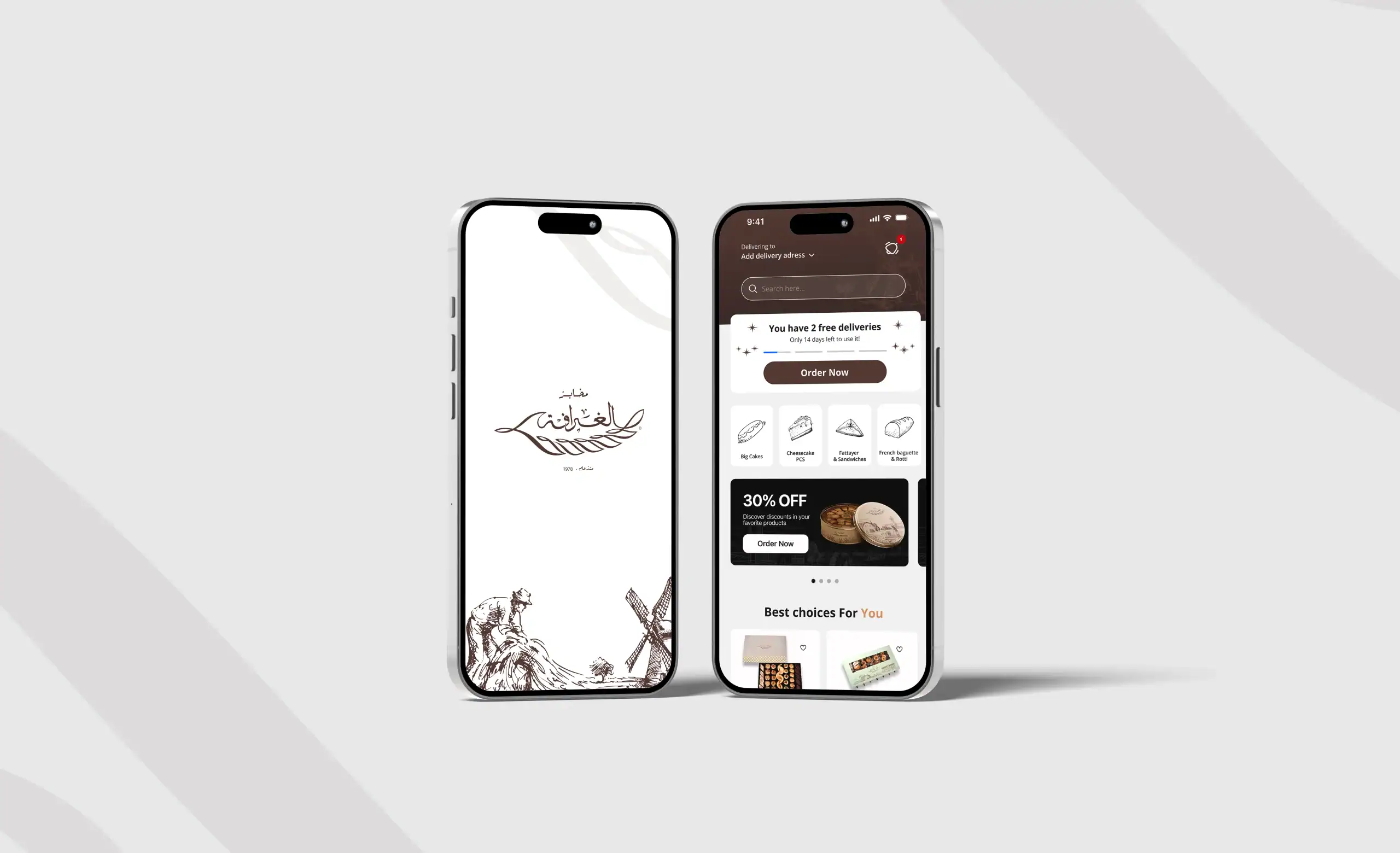
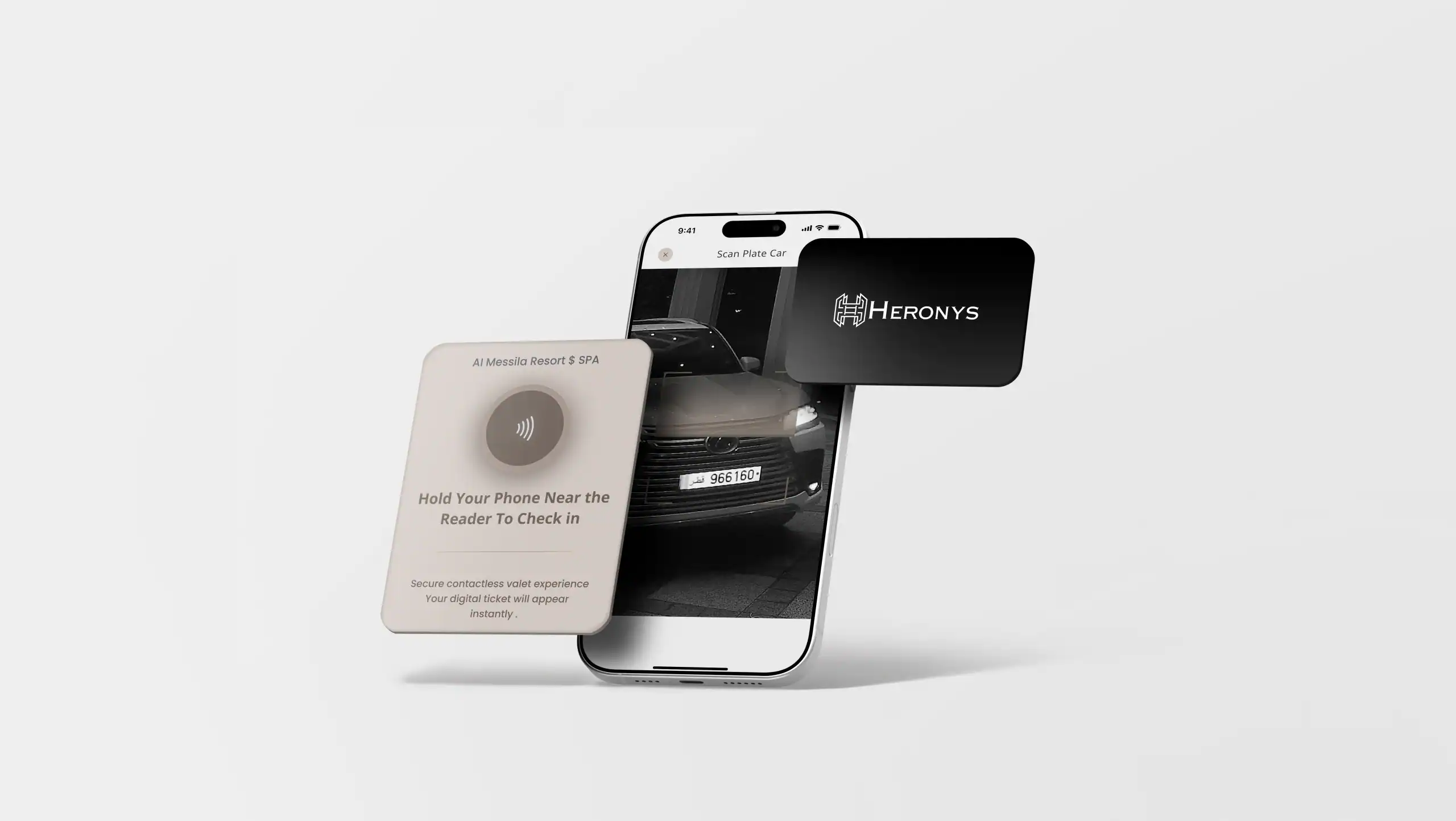
في هيرودوتس نبني النوعين معاً. فنظام إدارة خدمة صف السيارات Heronys وتطبيق الطلبات الخاص بمخبز الغرافة يستهدفان iOS وAndroid، وفي كل حالة اختِيرت البنية انطلاقاً من المتطلبات الفعلية للمشروع، لا من تفضيل مسبق. وقاعدتنا العملية: اختر التطوير متعدد المنصات إلا إذا فرض متطلب تقني محدّد اللجوء إلى التطوير الأصلي، وأنفق ما توفّره على تصميم أفضل واختبار أعمق ودعم أقوى عند الإطلاق.
تخطّط لتطبيق يخدم عملك في قطر؟ تحدّث إلى فريقنا — سنحدّد نطاق الخيارين ونمنحك مقارنة واضحة ومفصّلة بحسب مشروعك تحديداً.
الأسئلة الشائعة
كم تبلغ تكلفة بناء تطبيق جوال في قطر في 2026؟
يكلف التطبيق البسيط عادةً 55,000–110,000 ر.ق متعدد المنصات أو 90,000–180,000 ر.ق أصليًا. وتتراوح التطبيقات متوسطة التعقيد مع الحسابات والمدفوعات ودعم العربية والإنجليزية بين 120,000–250,000 ر.ق متعددة المنصات (180,000–400,000 ر.ق أصلية)، وتبدأ المنصات المعقدة الفورية أو المدعومة بالذكاء الاصطناعي من نحو 280,000 ر.ق.
هل التطوير متعدد المنصات أرخص من الأصلي؟
نعم — أرخص عادةً بنسبة 30–40% مقدمًا، لأن قاعدة برمجية واحدة تخدم iOS وAndroid بدلًا من بناءين منفصلين. ويستمر الوفر بعد الإطلاق: فصيانة قاعدة واحدة تكلف تقريبًا نصف جهد صيانة قاعدتين.
كم يستغرق تطوير تطبيق جوال في قطر؟
يستغرق التطبيق البسيط نحو 2–3 أشهر شاملة التصميم والتطوير والاختبار والإطلاق في المتاجر. وتحتاج التطبيقات متوسطة التعقيد إلى 3–6 أشهر، والمنصات المعقدة متعددة الأدوار إلى 6 أشهر أو أكثر.
أي نهج أفضل لتطبيق ثنائي اللغة عربي–إنجليزي؟
كلاهما قادر على تقديم واجهات عربية ممتازة بالاتجاه من اليمين إلى اليسار. أطر العمل متعددة المنصات مثل Flutter تتضمن دعمًا قويًا مدمجًا للكتابة من اليمين إلى اليسار، ما يجعل بناء الواجهة ثنائية اللغة واختبارها أسرع وأرخص عادةً من صيانتها عبر قاعدتين أصليتين.
كم تبلغ تكلفة الصيانة السنوية للتطبيق؟
خصّص 15–20% من تكلفة البناء الأصلية سنويًا. يغطي ذلك تحديثات أنظمة التشغيل والترقيعات الأمنية والتحسينات الصغيرة واستمرار عمل التكاملات الخارجية. وتقع التطبيقات الأصلية في الطرف الأعلى لأن كل تغيير يُنفَّذ مرتين.
تخطط لتطبيق موجه للسوق القطري؟ احصل على استشارة مجانية وعرض سعر مفصّل, or اطّلع على أحدث مشاريع هيرودوتس.
هل تخطّط لبناء تطبيق؟ اطّلع على خدمة تطوير تطبيقات الجوال في قطر.